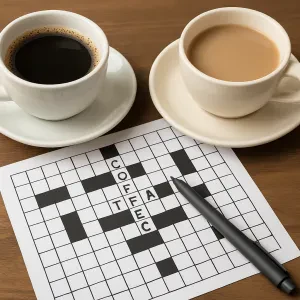
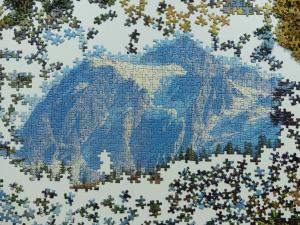
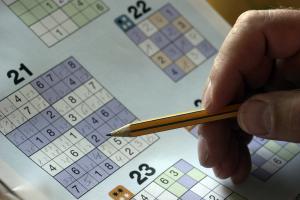
- Boost Brainpower – Regularly solving puzzles helps improve memory, focus, and problem-solving skills. Research suggests that mentally stimulating activities like puzzles and crosswords may delay the onset of dementia symptoms by several years. → Source: Medical News Today
- Relax & Unwind – A puzzle book is the perfect way to switch off from screens and enjoy a little quiet time.
- Great for Families & Loved Ones with Dementia – For families caring for someone with dementia, large-print word search or themed puzzle books become more than just entertainment—they can become tools for communication, reminiscence and connection. We’ll explore this in the next section.
- Perfect On-the-Go Entertainment – Whether traveling, commuting, or just enjoying a cozy evening at home, puzzle books are a great companion.
Puzzle Books & Dementia: How They Can Help
When someone is living with dementia, especially in the early to moderate stages, everyday conversation and meaningful connection can become more challenging. Research shows communication decline (word-finding difficulties, shorter attention spans, reduced comprehension) can increase frustration, isolation and reduce quality of life.
→ Source: Frontiers
Here’s how the right puzzle books can help:
1. Stimulates Cognition
Puzzles engage recognition, focus, and pattern-spotting. Studies show that these kinds of mental exercises can help slow cognitive decline.
→ Source: Medical News Today
2. Offers Shared Family Activity
A word search or crossword session with a loved one can provide a positive shared experience. For example, dementia-friendly word search books have features like large legible letters, contrasting colours and familiar themed words, making them accessible and engaging.
→ Source: Alzheimer's Society
Engaging in puzzles together allows carers, children, grandchildren or friends to spend time with the person with dementia in a non-stressful, fun way—encouraging conversation, reminiscence and emotional connection.
3. Enhances Communication
By reducing the pressure of “having a conversation” and replacing it with a gentler activity, puzzles can ease the strain on both the person with dementia and their family. Communication research emphasises the importance of supportive tools and activities to maintain meaningful interaction.
→ Source: alliedhealth.ceconnection.com
For example, choosing a themed word search (e.g., gardening, childhood hobbies, favourite music) can spark memories, prompt smiles or stories, and bring families closer.
4. Builds Confidence and Positivity
Accessible puzzles (large print, simple grids) help foster a sense of achievement, improve mood, and reduce agitation—making them ideal for dementia care environments.
→ Supporting evidence: National Library of Medicine
Further Reading & Support
Dementia Support and Research Links
United Kingdom:
- Alzheimer’s Society UK – Support, helpline & dementia-friendly activities.
- NHS Dementia Guide – Information on symptoms, care, and daily support.
United States:
- Alzheimer’s Association – US helpline and resources for families.
- National Institute on Aging – Dementia Resources – Research and caregiving support.